How Sleep Disorders Impact Your Heart and Brain Health
Nov 02, 2026
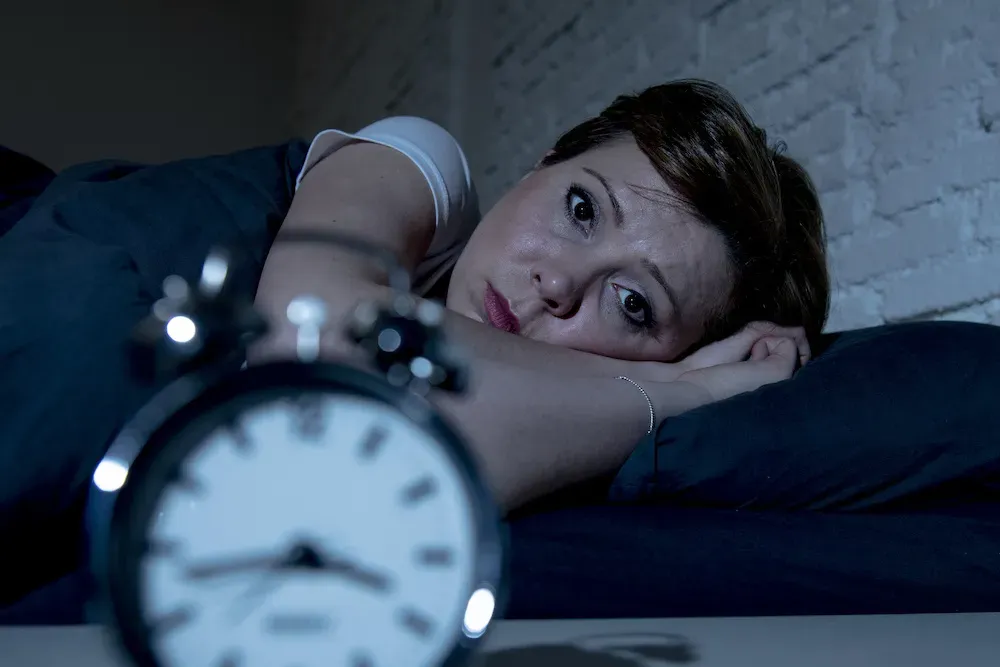
More than 80 sleep disorders can come between you and optimal health. If you don't sleep long enough or deeply enough, your body can’t accomplish the tasks it needs to keep your cells powered, strong, and in a constant state of renewal.
If cells don’t get the oxygen and nutrients they need to create enough energy to repair and replicate, your organs start to degenerate. So that sluggishness you feel after days, months, or years of poor sleep isn’t just due to lack of sleep. It’s due to the degeneration of important organs, including your brain and heart.
Up to 70 million people in the United States have some type of sleep disorder. That translates to about one in three adults who don’t get sufficient, high-quality, uninterrupted sleep they need to stay healthy.
At Advanced Medical Care, our expert neurologists and cardiologists always take sleep quality into consideration when evaluating your health. Your quality of sleep can either optimize or sabotage your brain and heart health.
That’s why we offer sleep testing and sleep medicine as part of cardiac and neurologic care at our offices in Queens and Brooklyn, New York.
Here, we describe some common sleep disorders and how they affect your heart and brain.
Insomnia isn't just trouble falling asleep. It can also be trouble staying asleep or waking up too early.
Whatever your pattern, if you’re not falling asleep and maintaining sleep regularly, you have insomnia. Women and men with insomnia may have a 45% higher risk for cardiovascular issues than those who sleep fully, well, and long.
When your body doesn’t get enough sleep, it releases stress hormones, such as cortisol. Lack of sleep also causes inflammation in the body. Both issues increase your risk for diabetes, anxiety, and depression. It may also raise your risk for stroke by 54%.
Sleep breathing disorders rob your organs of life-giving blood and oxygen. Types include:
Sleep breathing disorders can usually be controlled with the use of a continuous positive airway pressure (CPAP) machine.
If you have no trouble falling or staying asleep, and snoring doesn’t wake you up, but you still are drowsy during the day, you may have a hypersomnolence disorder. An example is narcolepsy, where you fall asleep randomly or while under stress.
As with other sleep disorders, insufficient rest causes the release of stress hormones. It also causes inflammation in your body that raises your risk of disease.
Shift workers and others may have disrupted circadian cycles. Their internal clocks don’t work in sync with the sun. It’s difficult to fall asleep, stay asleep, and get restful sleep because they’re trying to sleep during the day and stay awake at night.
Parasomnias are movements and behaviors that disturb your sleep, making it difficult for your body to relax, rest, and renew. Types of parasomnic behaviors include:
Such behaviors and states complicate your ability to get a good night’s sleep, thereby robbing your brain and heart of the rest needed for detoxification and restoration.
Physical movements, such as leg twitches, or even just the urge to move makes it difficult to fall asleep, stay asleep, or both.
If you don’t feel rested after sleep, you’re risking more than a car accident. You’re also at increased risk for cardiovascular disease, stroke, and even dementia.
Get the sleep medicine care you need by contacting Advanced Medical Care for a sleep evaluation. Schedule an appointment by phone or online today.
